Park authority sources
- Johor National Parks: flora and fauna
- Park authority: mainland office and visitor advice
- Park facilities; confirm current access
Checked 30 September 2026; confirm current opening and boats with the park.
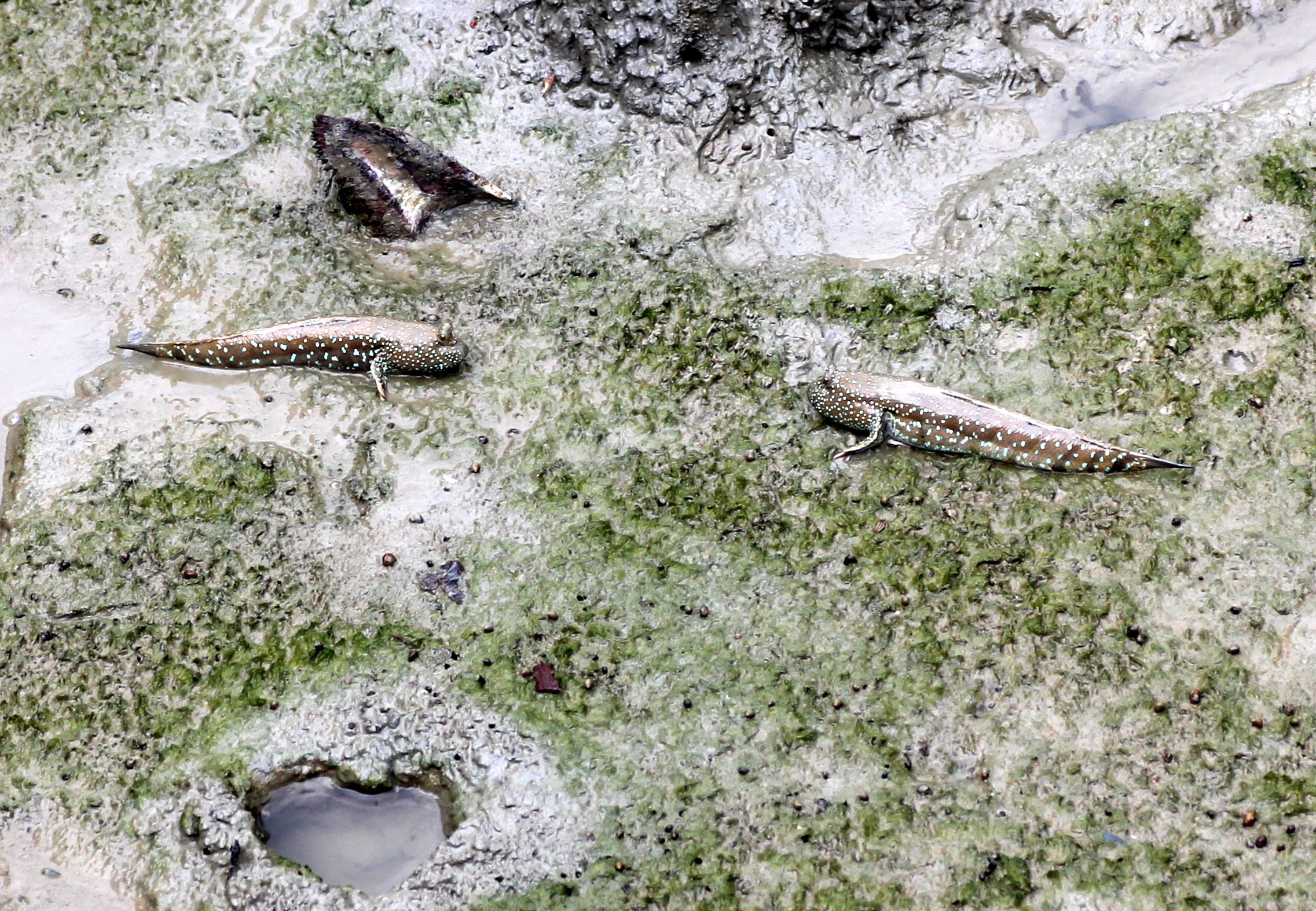
Pulau Kukup wildlife, Toni Wöhrl, 5 July 2014, CC BY-SA 4.0. Original photograph unchanged; responsive display crop only. A historical observation, not a promised sighting or today's park-condition report. Photo source · CC BY-SA 4.0

Start small: the mud is part of the attraction
Johor National Parks describes mangroves, creeks and tidal mudflats here, with mudskippers and several kinds of crabs among the animals visitors may notice. Instead of expecting one grand viewpoint, choose a safe place on the permitted visitor route and give your eyes time to adjust.
Try this with children: first look for movement, then describe what moved before trying to name it. Was it on the mud, beside a root or higher up? A photograph can help you ask a guide later. You do not need a complete species checklist to have an interesting visit, and a quiet patch is not an invitation to leave the path.
One oversized claw, and a different way to see a crab
The park's explanation of male fiddler crabs gives you a useful detail to look for: one claw is much larger than the other. The large claw has a display and rivalry role; the smaller one handles feeding. Tree-climbing crabs provide another contrast, moving above rising water.
Knowing just that much changes the question from 'Are there any animals?' to 'What is this animal doing?' Watch without tapping, feeding or trying to make it move for a photo. Treat the behaviour described by the park as a clue, not a performance that happens whenever a visitor arrives.
Make it a looking game, not a wildlife guarantee
Choose three things to notice: a moving animal, a root shape and a difference between wet and exposed ground. Let each person pick a favourite detail. If you photograph something unfamiliar, keep the description modest until a knowledgeable source identifies it; not every small shape needs a confident species name.
This is our suggested way to enjoy the visit, not an advertised guided activity. Wildlife, visibility and usable routes vary. Ask staff what is practical on the day, respect any restrictions and do not pursue animals into mud or vegetation. Binoculars can be more useful than trying to get physically closer.
The seafood village and island park are different stops
Mainland Kukup's restaurants are not the island national park. The park authority directs visitors to its mainland office for information and boat arrangements; island access involves boarding and leaving a boat. Confirm current opening, boat operation and the actual visitor route before planning a meal around it.
For a family with small children or someone who finds steps difficult, ask about boarding and walking conditions before deciding. A car booking does not confirm island accessibility. Wear walking shoes, bring water and suitable rain and insect protection, do not feed macaques, and take rubbish away.
Would this suit your day in Kukup?
Choose the park if the group enjoys slow observation and can manage the confirmed boat and walking arrangements. If everyone mainly wants a long lunch and conversation, there is no need to turn the day into a rushed checklist. You can keep the nature visit separate rather than promising both experiences in a tightly timed package.
Can we drive onto Pulau Kukup? The private-car journey is to the agreed mainland point, not an island road transfer. Will we definitely see the animals in this article? No. The photograph and park species information explain what makes the habitat interesting, not what will appear during your visit.
For Singapore–Kukup transport, send your date, pickup, proposed mainland stop, passengers and bags, any meal stop, waiting request and return destination. The operator confirms vehicle fit, route and quote; border and traffic conditions affect timing. Park admission and boat arrangements are separate and are not included by this guide.